The Clean Hair Care Movement: Sulfate-Free and Silicone-Free
Understanding Sulfates and Silicones
Sulfates — primarily sodium lauryl sulfate (SLS) and sodium laureth sulfate (SLES) — are the surfactants responsible for the rich lather in most shampoos. They clean effectively, but their strength works against you over time. Each wash strips not just dirt and product buildup but also the scalp's natural sebum, which is your body's built-in conditioner. Repeated stripping forces the scalp into overproduction mode, creating a cycle of oiliness and dehydration that leads to irritation, flaking, and even hair thinning over years of use.
Silicones present a subtler problem. Ingredients like dimethicone and amodimethicone coat each strand with a waterproof film that initially makes hair look smooth and shiny. With every wash, however, this film builds up — and because silicones are not water-soluble, only a sulfate shampoo can remove them. This creates a dependency loop: you need sulfates to remove silicones, and you need silicones to mask the damage sulfates cause. Breaking this cycle is the core principle of the clean hair care movement.
The Best Sulfate-Free Shampoos
Modern sulfate-free formulas have closed the performance gap with traditional shampoos. Innersense Pure Inspiration Daily Hair Cleanser uses coconut-derived glucosides to create a satisfying lather without the harshness of SLS. It cleans thoroughly enough for daily use but leaves the scalp's acid mantle intact, which is especially important for color-treated hair that is already vulnerable to fading.
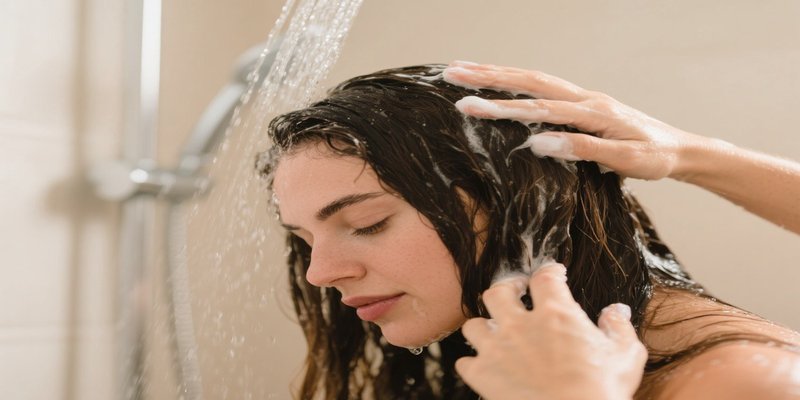
For fine or oily hair, Briogeo Farewell Frizz Shampoo is a reliable choice. Its formula relies on quinoa protein and aloe vera to cleanse while adding volume — a combination that fine-haired users often struggle to find in sulfate-free options. Thick or coily hair benefits from SheaMoisture Jamaican Black Castor Oil Shampoo, which uses apple cider vinegar and shea butter to clarify and moisturize simultaneously.
Silicone-Free Styling Products
The most common concern about going silicone-free is losing smoothness and frizz control. Behentrimonium methosulfate — a plant-derived conditioning agent found in Briogeo Farewell Frizz Blow Dry Perfection Heat Protectant Creme — delivers the same slip and detangling benefits as dimethicone without any buildup. It rinses clean with plain water, so you never need a sulfate shampoo to remove it.
For hold and definition, flaxseed-based styling gels like Eco Styler Olive Oil Gel provide strong hold without silicones or alcohol. The gelatinous texture comes from flaxseed mucilage, which coats the hair shaft in a flexible film that washes out easily. Verb Ghost Oil is an excellent silicone-free finishing oil — it uses moringa and sunflower seed extract to add shine and tame flyaways without leaving a heavy residue.
What to Expect During the Transition
Switching from silicone-heavy products to clean alternatives comes with an adjustment period of two to four weeks. During this time, residual silicones are gradually shed from your hair, and the texture may feel drier or rougher than you're used to. This is not damage — it's your hair's natural texture, which you may not have felt in years if you've been using silicone-based products regularly.

A weekly clarifying rinse with one tablespoon of apple cider vinegar diluted in a cup of water accelerates the transition by dissolving silicone residue. Pour it over your hair after shampooing, massage into the scalp for one minute, and rinse thoroughly. The vinegar smell dissipates completely once your hair dries. After the transition period, most people report that their hair feels lighter, holds styles longer, and needs to be washed less frequently — a direct result of the scalp returning to its natural oil-production balance.
Building a Clean Routine
A minimal clean hair care routine requires only four products: a sulfate-free shampoo, a silicone-free conditioner, a leave-in treatment, and a styling product. Wash two to three times per week rather than daily — this alone reduces scalp irritation and preserves color. On non-wash days, use a dry shampoo like Living Proof Perfect hair Day Advanced Clean Dry Shampoo, which uses a patented powder that absorbs oil without leaving white residue or requiring sulfates to remove.
Most Read
Anti-aging Serums: Which Ones Actually Work
How to Layer Multiple Active Ingredients Safely: Essential Ski...
The Complete Guide to Facial Massage Techniques: Essential Ski...
The Biggest Hair Color Trends for 2026: Essential Hair & Nails...

How to Achieve the Viral French Girl Hair Look: Essential Hair...